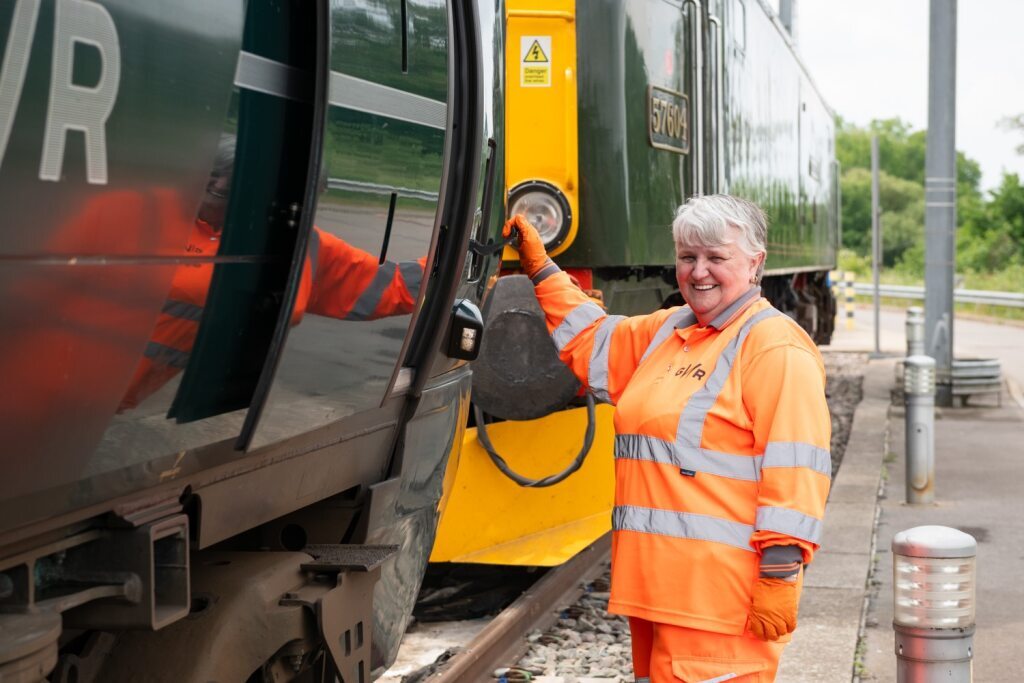
Our team is made up of skilled professionals who ensure everything runs smoothly – from fixing issues to driving and building trains. Safety and efficiency are at the heart of what we do, and we’re incredibly proud of the team that keeps our services running at their best. Whether it’s repairing faults or maintaining our trains, our engineers are the backbone of our operation.
Engineering is central to keeping our passenger services on track, we offer a wide range of opportunities, including planning, modifying trains, technical support, safety, auditing, procurement, quality management, facilities, stock replenishment, fleet refurbishment, project management, and more.
Our goal is simple: to deliver exceptional service for our passengers while making a positive impact on the communities we serve. A skilled team performing regular checks and maintenance is essential to keeping our trains in perfect condition.
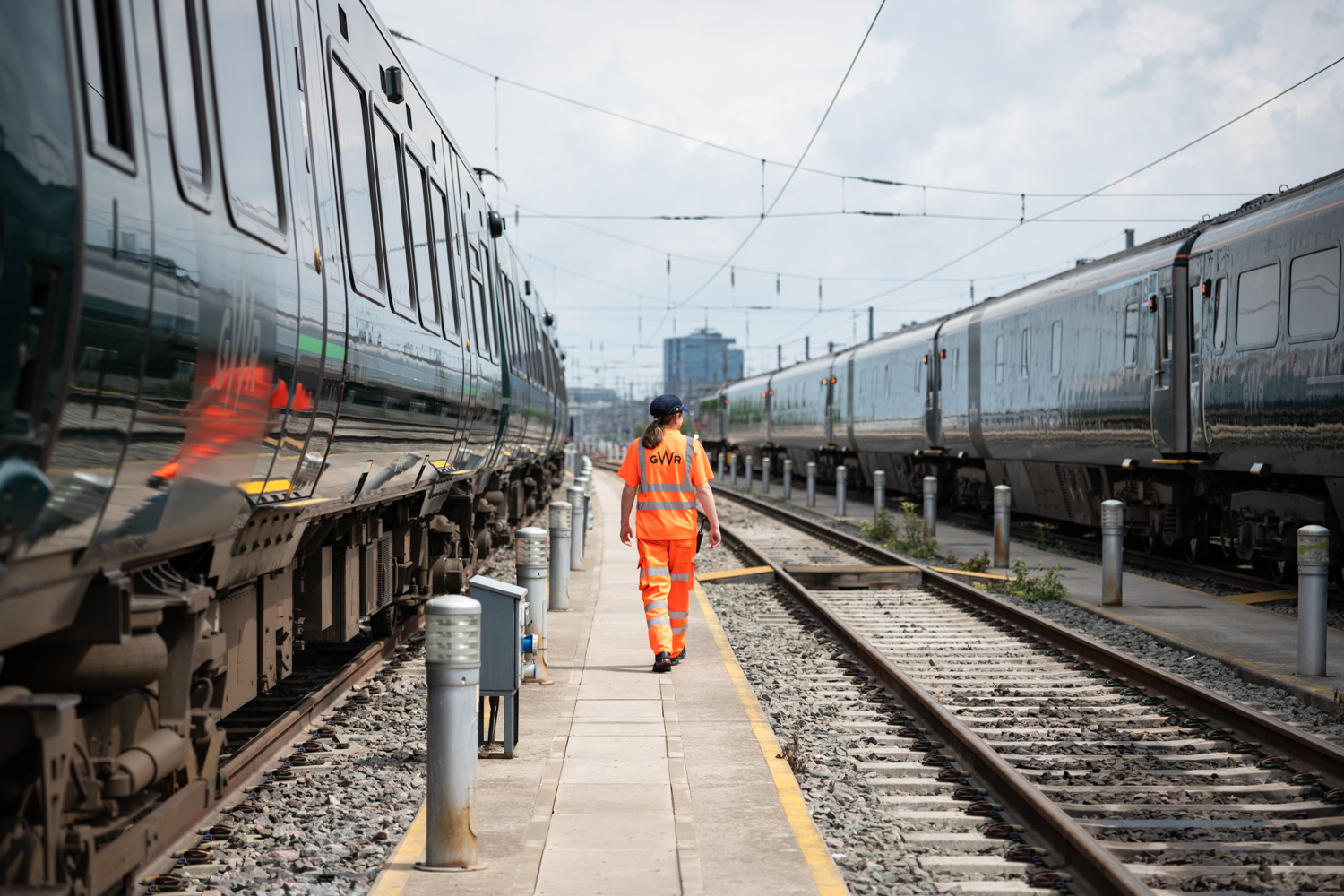

We have five depot locations: Reading, St Philips Marsh (Bristol), Exeter, Laira (Plymouth), and Longrock (Penzance). We’re always on the lookout for talented engineers to help keep our trains running smoothly.
Our experienced fitters play a vital role, not only by tackling a wide range of tasks but also by mentoring and supporting new team members alongside our semi-skilled fitters.
At GWR, we genuinely value specialist engineering skills, whether they’re in trains, cars, planes, or any other area. We offer our team the chance to develop their expertise and share their knowledge with the next generation of engineers. In return, we provide competitive salaries and benefits, recognising and rewarding the hard work and dedication of our Engineering Teams.
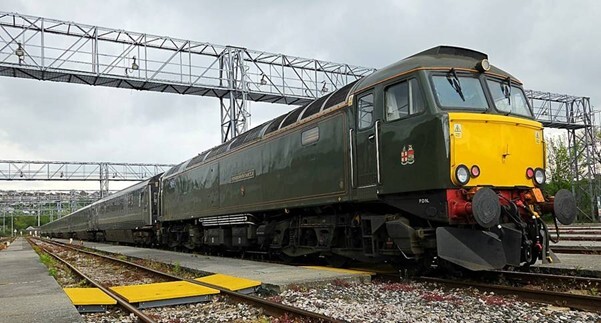
Reading Train Care Depot (TCD), located to the west of Reading station in Berkshire, is one of Great Western Railway’s most important maintenance and stabling facilities. Opened in 2013 as part of the wider Reading rail redevelopment programme, the depot replaced an older site and was designed to support a modern, higher-capacity railway operation.
Today, the depot plays a central role in the GWR network, maintaining approximately half of the operator’s directly managed fleet—around 250 vehicles. Its responsibilities span the full range of servicing, inspection, cleaning, and maintenance activities required to keep high-frequency commuter and regional services running reliably across the Thames Valley and beyond.
The site employs around 285 staff, with 25 personnel based at satellite locations, reflecting its reach and operational influence beyond the depot itself. The workforce combines a strong mix of skilled and semi‑skilled colleagues, working within a modern, safety-led environment that embraces contemporary maintenance practices, efficient workflows, and continuous improvement.
Reading TCD supports a varied fleet profile, including the Class 165 “Network Turbo” units, as well as Class 387 Electrostar EMUs. These Class 387s operate widely across the network, reaching destinations such as Cardiff and Newbury, while the Heathrow Express Class 387 fleet is also maintained at Reading, further underlining the depot’s strategic importance and technical capability.
Its location at one of the busiest rail hubs in the UK places the depot at the heart of routes serving the capital and key economic centres. As a result, Reading TCD supports services that are critical not only in volume but also in expectation, requiring consistently high standards of reliability, presentation, and performance.
Purpose-built with modern facilities, extensive sidings, and the capability to support both diesel and electric operations, Reading Train Care Depot remains a cornerstone of GWR’s operations—quietly underpinning the delivery of a dependable railway across one of the most demanding parts of the network.
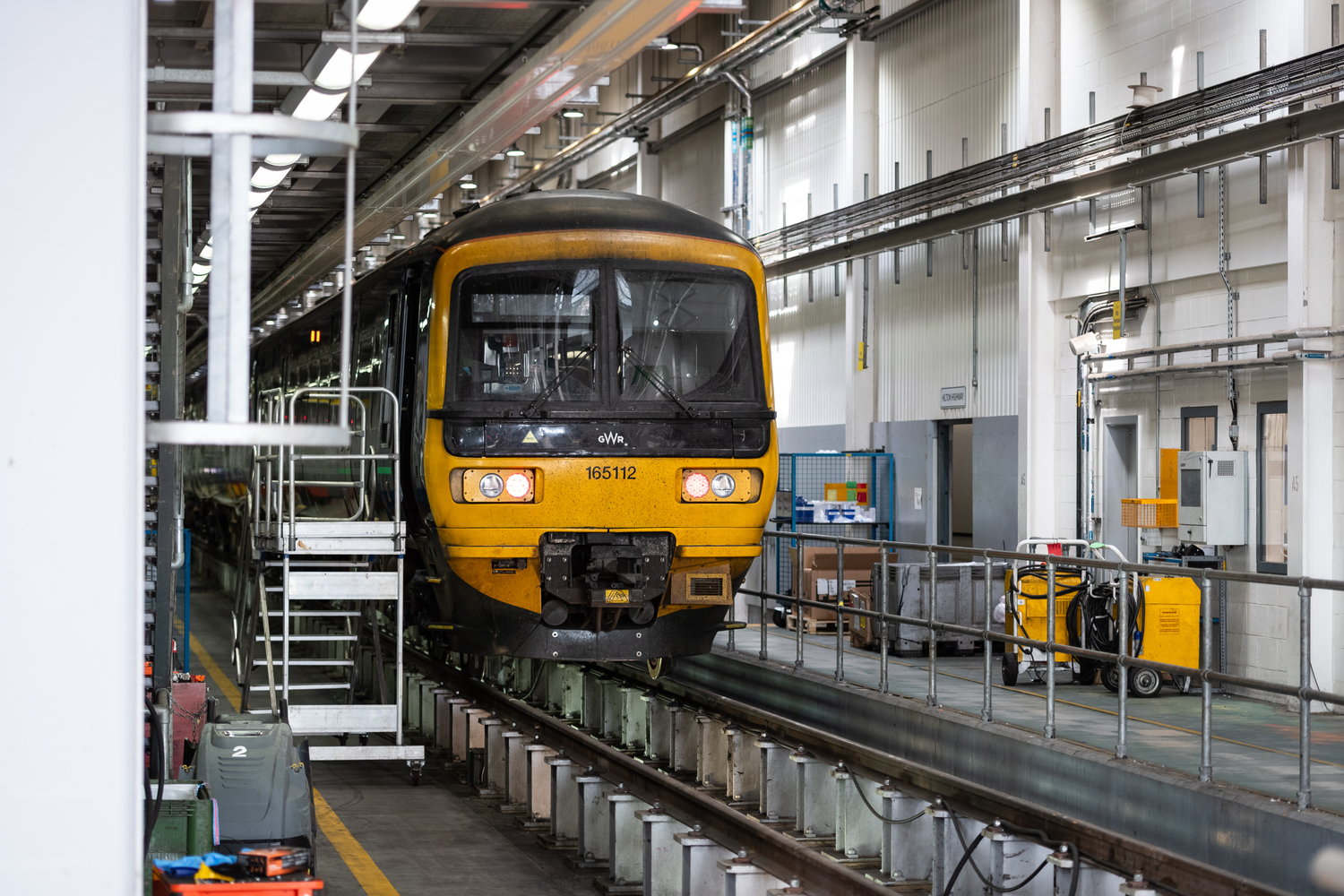
The depot was established as a steam locomotive shed in 1910, but this facility closed in the 1960s. A new diesel facility opened nearby at Marsh Junction in 1959. This was combined with a new shed which was opened in 1976 to maintain InterCity 125 trainsets (or HST).
The site was used for the maintenance of their InterCity 125 trains which operated between London Paddington, Bristol, and South Wales. Both Class 43 power cars and Mark 3 coaching stock were serviced here. It was also used to maintain their fleet of British Rail Class 150 Sprinter DMUs which had previously been maintained (for the Wessex Trains franchise) at Cardiff Canton. In 2006, First Great Western created a new maintenance shed adjacent to the HST sheds, and upgrading other site facilities, at a cost of £8 million.
There are 240 staff on depot, and they service around 20 trains per night.
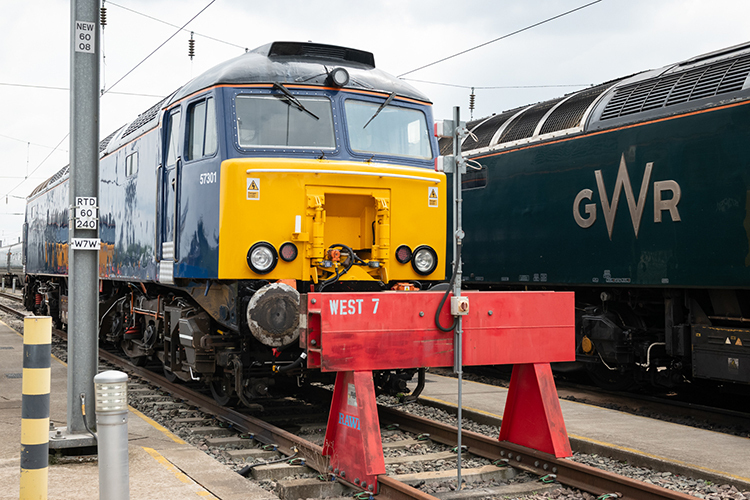
There has been rolling stock engineering of some sort based at the Exeter site since 1844 when the first engine shed was built. For many years, the depot operated as a fuel point only and was originally pencilled to close in 2006. However, its criticality to local rail operations in the Southwest of England quickly became apparent and those plans were permanently cancelled. Since 2006 the depot has gone from strength to strength with increasing workload and head count.
This culminated in the construction of the current depot including a large office and accommodation building attached to a state-of-the-art rolling stock maintenance workshop, commissioned in 2022. This hugely increased the depots capability, firmly securing the depots position for many years to come.
The Depot operates 24/7 363 days of the year and has a large fleet of West Fleet DMUs based at the site. Currently there are circa 120 engineering staff based at the depot to service the home and visiting fleets and approximately another 400 operations staff who call the depot home, including drivers and guards.
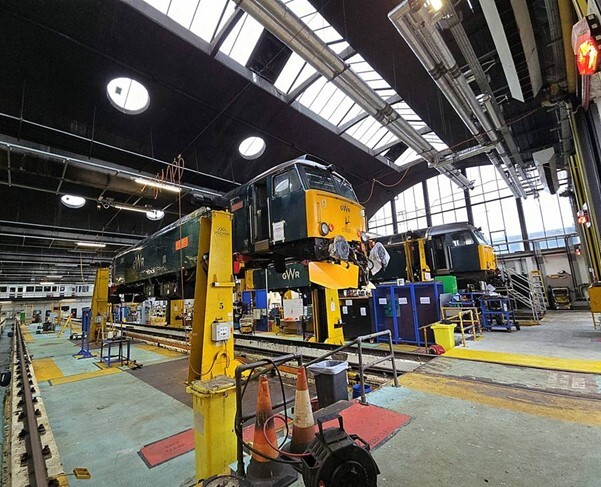
The GWR Laira Depot is situated within the City of Plymouth, currently employing around 240 people from both GWR and Hitachi. The depot maintains the Hitachi Class 802 trains that are used on the London Paddington services, also the West-Fleet Class 175s are allocated to Laira for all maintenance, from cleaning these units to overhaul and replacement of major components.
Initially opened by the Great Western Railway as a steam locomotive servicing and maintenance depot for the area, in 1901. Maintaining, Kings, Castles, Halls, Granges, 47XX heavy freight, Britannia, BR 9F plus the smaller Pannier and dockside types of locos, this depot closed in 1964.
The original Diesel Depot was opened by British Rail in 1962 to maintain a fleet of Diesel-Hydraulic locomotives that operated all over the BR Western Region, and Diesel-Mechanical passenger units for the branch line services. The Depot was extended in 1980 to accommodate the High-Speed Train (HST), used on the London and North-East/South-West services. The HSTs were largely retired in 2018 and the Hitachi Class 802s took over the Paddington services.
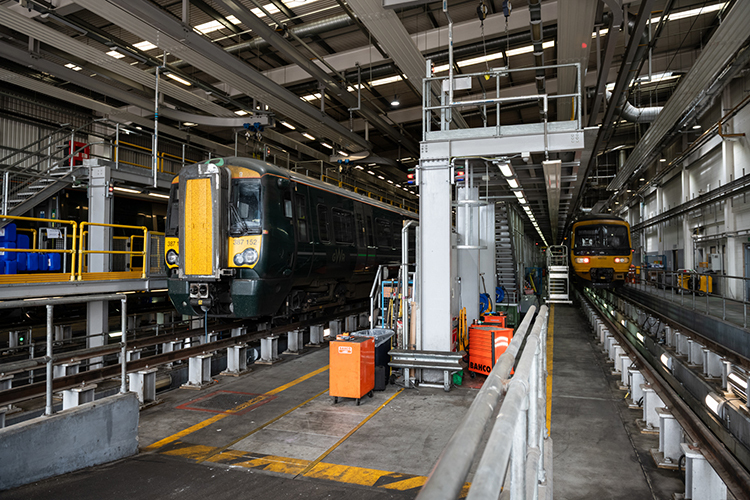
Long Rock Depot, officially known as Penzance Train Maintenance Depot, has been a key part of railway operations in Cornwall since 1914, when the original four-road steam locomotive shed was constructed at the site. Located just east of Penzance station beside the Cornish Main Line, the depot transitioned from steam to diesel operations during the late 1950s before the original steam facility closed in 1976. A new depot was subsequently built on the same site to support the introduction of the InterCity 125 High Speed Train fleet operating services between London Paddington and the South West.
Today, Long Rock Depot remains one of Great Western Railway’s most strategically important regional maintenance facilities and is recognised as the most south-westerly railway depot on the National Rail network. The depot provides servicing, fuelling, cleaning, stabling and maintenance for GWR fleets operating across Cornwall and the wider South West, including Night Riviera sleeper stock, regional DMUs and intercity rolling stock. Facilities on site include modern maintenance sheds, fuelling roads, carriage servicing equipment, stabling sidings, and staff accommodation buildings.
Between 2017 and 2019, the depot underwent a major £20 million redevelopment programme to significantly increase maintenance capability and support the transfer of heavy sleeper maintenance activities from Old Oak Common. The project delivered a new state-of-the-art three-road maintenance facility while allowing the depot to remain fully operational throughout construction. The enhanced depot now operates on a 24-hour basis, supporting engineering and operational responsible for maintaining reliable rail services throughout Cornwall and the South West region.